

How to Avoid the 1% US Money Transfer Tax

International money transfers have been a staple for many individuals to pay for expenses abroad, to help family members abroad or simply to manage cross-border finances. But new U.S. regulation that isn’t too far down the line will tweak a bit of how some of these deals are getting priced.
A new 1% federal tax on some international money transfers will take effect in 2026. Although the tax may be small, it could pile up over time for customers who make frequent money transfers. Knowing how to manage it is crucial for personal financial planning as well as avoiding more tax than necessary.
This guide explains what this 1% US money transfer tax is, who it applies to and how making the right choice of payment method can keep you from having to pay more than you really need.
What the 1% US Money Transfer Tax Is
In the United States, a 1% tax is included in their standard fee when people send money outside the U.S. It was described as an ACH network fee or CPN (Credit Payment Network). It is intended to be used only under specific circumstances and not for all types of transfers.
This tax aims to create more control over cash transactions and promote the use of digital payment systems. Getting a sense of its scale can inform customers how to recalibrate their transfer patterns without radically affecting what they’re having sent.

When the New Tax Takes Effect
The 1% US remittance tax is effective from January 1, 2026. Transfers entered prior to this date must be an OUT action, International.
1. Starts January 1, 2026
The new 1 percent tax goes into effect Jan. 01, 2026. Any funds transferred internationally that qualify after this date will be subject to the same tax if paid through certain channels.
Customers who plan to do international transfers regularly should get used to the rules long before then. With advance notice, there is time to transition to payment methods that are not covered by the tax.
2. Applies Only to International Transfers
The tax applies only to international remittances. Regional fund transfers within the U.S are not subject to this regulation.
This is particularly important for customers receiving a check-cashing service in local uses, as these are not affected.
Who the Tax Applies To
The tax is levied only on the senders whose cash underwrites international transfers. Recipients have no liability and collect the entire transferred sum.
1. Cash-Funded International Money Transfers Only
The 1% tax is charged only if the sender uses cash to pay. Please note that if you pay using cash for the international transfer, your tax will be added to the total when it is sent.
That means, unless customers start using other forms of payment, people who use cash-intensive transfers will likely see slightly higher costs starting in 2026.
2. Sender Is Responsible, Not the Recipient
Sender only will pay the tax to the services-providing companies. The recipient will not be charged a fee and will still receive the desired transfer amount.
This results in no harm to families and senders by their choice of payment.
How the 1% Tax Impacts Your Transfer Amount
When cash is spent, a further 1% is added to the overall transfer value. This drives up the cost for the sender, even though the corresponding amount for recipient does not change.
1. Understanding the Additional Cost
1% may not sound like much, but it adds up over time. It’s a sales tax on how much you are transferring in cash.
For instance, when sending $500 internationally in cash you’d pay an extra $5. These small fees can add up over several transfers and cut into your total savings.
2. Simple Example of the Tax at Work
Clear stipulations and payment options to transfer the license are given by in-store staff. Such guidance is helpful so that customers can make decisions without ambiguity.
Why Cash Payments Are Affected
Deals done in cash are more difficult to trace and receive closer regulatory attention. The tax also incentivizes secure, digitally trackable payment methods.
1. Regulatory Focus on Cash-Based Transactions
When payments are made in cash, they are harder to trace. Sending money over a blockchain is also an option and this can provide more transparency in many cases which is of course what the regulators typically focus on.
Because the tax applies only to cash transactions, the regulation steers customers toward more traceable and secure digital methods of payment.
2. Shift Toward Digital Financial Services
Banks make big digital push for contactless pay evolving from the use of cash. Each of these changes is part of a larger trend toward digital financial services. Debit cards and digital wallets offer transaction history, quick processing times and added security.
That means customers already using non-cash payment methods won’t see any increases to their transfer charges.
Payment Methods That Help You Avoid the Tax
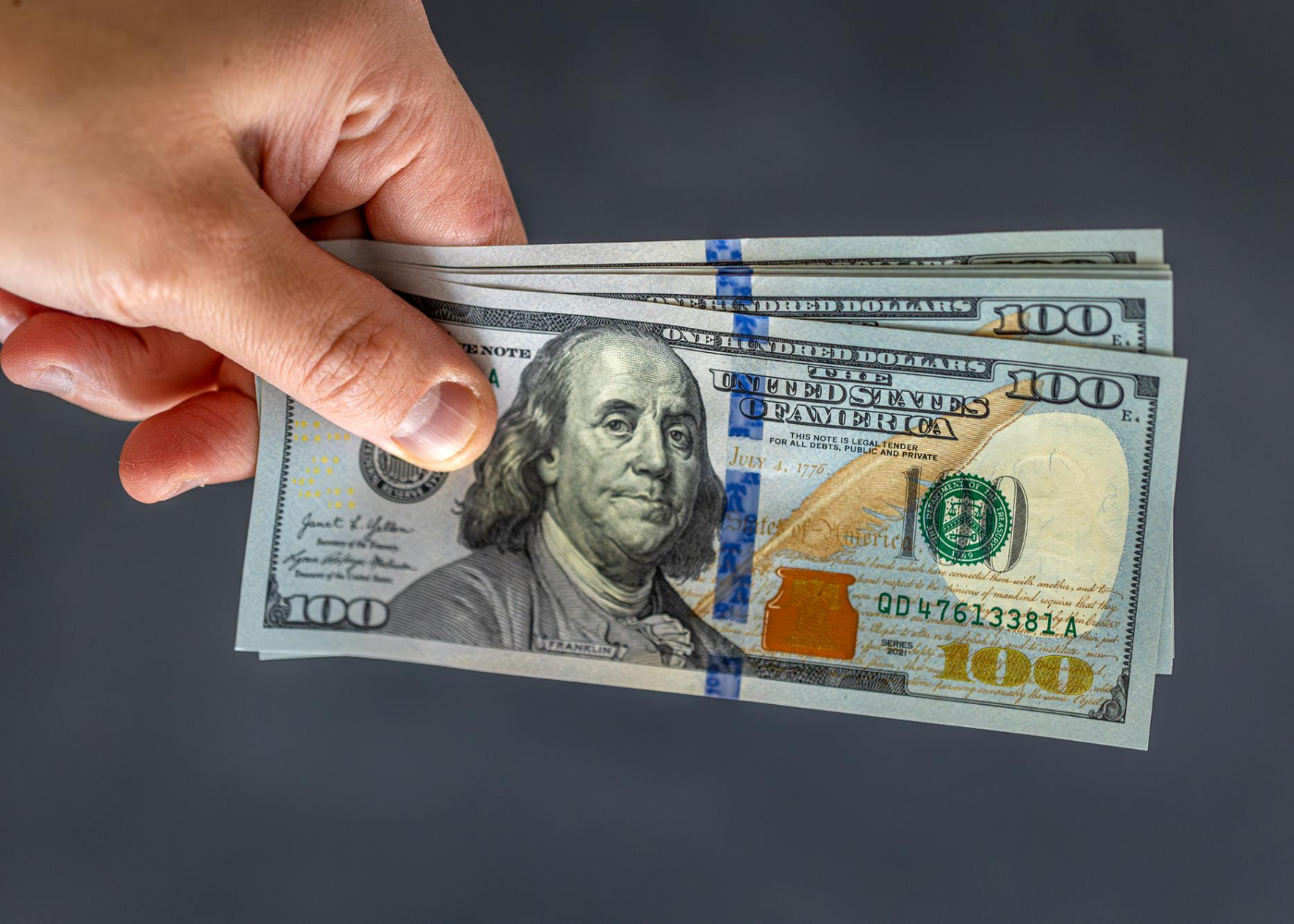
The tax does not apply to debit cards and digital wallets, such as Apple Pay. In avoiding these means, you also avoid the 1% fee on international transfers.
1. Debit Card Transfers
Debit card payments are one of the simplest methods to evade the tax. Debit card-funded transfers are secure, fast and free from this new regulation. Consumers already have debit cards for convenience so this is an option that would allow them to save money without having to change their transfer habits.
2. Digital Wallets and Apple Pay
The new tax does not apply to digital wallets like Apple Pay and Google Pay, either. These options provide speed, security and convenience.
Providers may still charge a small receipt or service fee, but the federal tax isn’t charged when such digital options are used.
Benefits of Using Cheque Express for International Transfers
This payment mode is possible via cheque express as well if you prefer tax-free international transfer. Transparent pricing helps customers see what it costs to send money.
1. Several Tax-Free Payment Choices
Swift Cash Swift Cash offers international money transfers for debit cards and digital wallets. This maneuverability permits customers to choose forms of payment that do not fall under the new tax.
With more choices available through its Cheque Express service, Western Union makes sure the customer is in control over how they fund a transfer.
2. Transparent Pricing and No Hidden Costs
Openness is paramount in the handling of financial matters. ChequeExpress is all about transparent pricing so customers will know any charges that apply before they use the service.
This transparency makes it simpler to schedule transfers and minimize surprise fees.
3. Trusted Provider for International Money Transfers
Cheque Express offers safe and convenient solution to transact around the world. Cantel facilities ensure easy operations that save time but see to safety.
Conclusion
The 1% US money transfer tax that is due to be introduced can add extra expense, using a debit card is small and avoidable option if you’re sending cash abroad. Senders can still keep sending money without an extra fee, however, if they understand how the tax works and what payment methods are exempt.
One would be to completely avoid the tax by using debit cards or digital wallets, which entail faster and more secure transactions as well. Cheque Express does these options, and this would help Australians ease into this before the tax hits in 2026.
Educated decisions for your payments can ensure international money transfers stay efficient, transparent, and cost-effective.
Frequently Asked Questions
No. The tax is law only on International cash funded transfers. There are exempted transfers from debit cards and digital wallets.
The law goes into effect on Jan, 01, 2026. Transfers initiated prior to this date are not impacted.
No. The transfer amount is added in full to the recipient’s account. The fee is paid by the sender and does not come out of the payout.
Yes. Debit-card funded transfers from the U.S. are also excluded from the 1% federal tax, although normal service fees may apply.
Yes. When people use digital wallets like Apple Pay and Google Pay to fund their transfers, the new tax does not apply.
No. The tax is only on international money transfers and does not affect check cashing operations or domestic transactions.
Moving to digital payments now and preparing for transfers in advance will help you avoid the tax when it goes into effect.
Check Cashing Services for Small Business Owners…
Digital Punch Cards and Rewards for Money…

How to Send Money to Mexico From…
